

Every year there's a fresh list of the best brand collaborations. Rhode x Justin Bieber. Erewhon x Barbie. e.l.f. x Liquid Death. And every year the same question comes up in marketing circles: why do some partnerships land, and others get scrolled straight past?
the collabs that work share one thing: audiences can feel whether it's genuine. And video is the quickest way to show them it is. Here's how the three types of video I work with most (interviews, B-roll and staff content) turn a good collaboration idea into one people actually talk about.
Why brand collaborations succeed: connection, personality, authenticity
The strongest partnerships come down to three things:
• Connection. The link between the two brands feels natural. Nobody has to be convinced.
• Personality. You can see both brands in the end result without being told.
• Authenticity. It feels real, not transactional.
Here's the part most people miss. You can't tell an audience a collaboration is authentic. You have to show them. That's where video does the heavy lifting.
1. Interview video: let real voices carry the collaboration
A press release says two brands are working together. An interview shows you why it matters to the people involved.
Take the Kosas x Rob Rausch campaign. It works because it's values-led. Kosas stands for real skin and real people, and Rausch embodies that shift. Now imagine that story told through a sit-down conversation or a quick street interview: what does "real" actually mean to the people who use the product? That's content a logo and a caption can't deliver.
Interview-led video works for collaborations because it:• Puts the human story first. Founders, creators and customers explaining why the partnership exists beats any slogan.
• Proves audience overlap. Street interviews (Vox Pop style) let you ask the audience directly: would you buy this? Do these two brands belong together? You get honest answers, and honest answers are gold.
• Gives you a library of content. One good interview becomes a long-form piece, five short clips, quotes for graphics and a hook for the next campaign.
The best collaborations are built around the audience. Asking the audience on camera is the most direct way to get there.
2. B-roll: the content that makes a collab feel like a moment
B-roll is the unsung hero of brand partnership video. It's the supporting footage: the setup, the details, the atmosphere, the people in the background. It's also what makes a campaign feel alive.
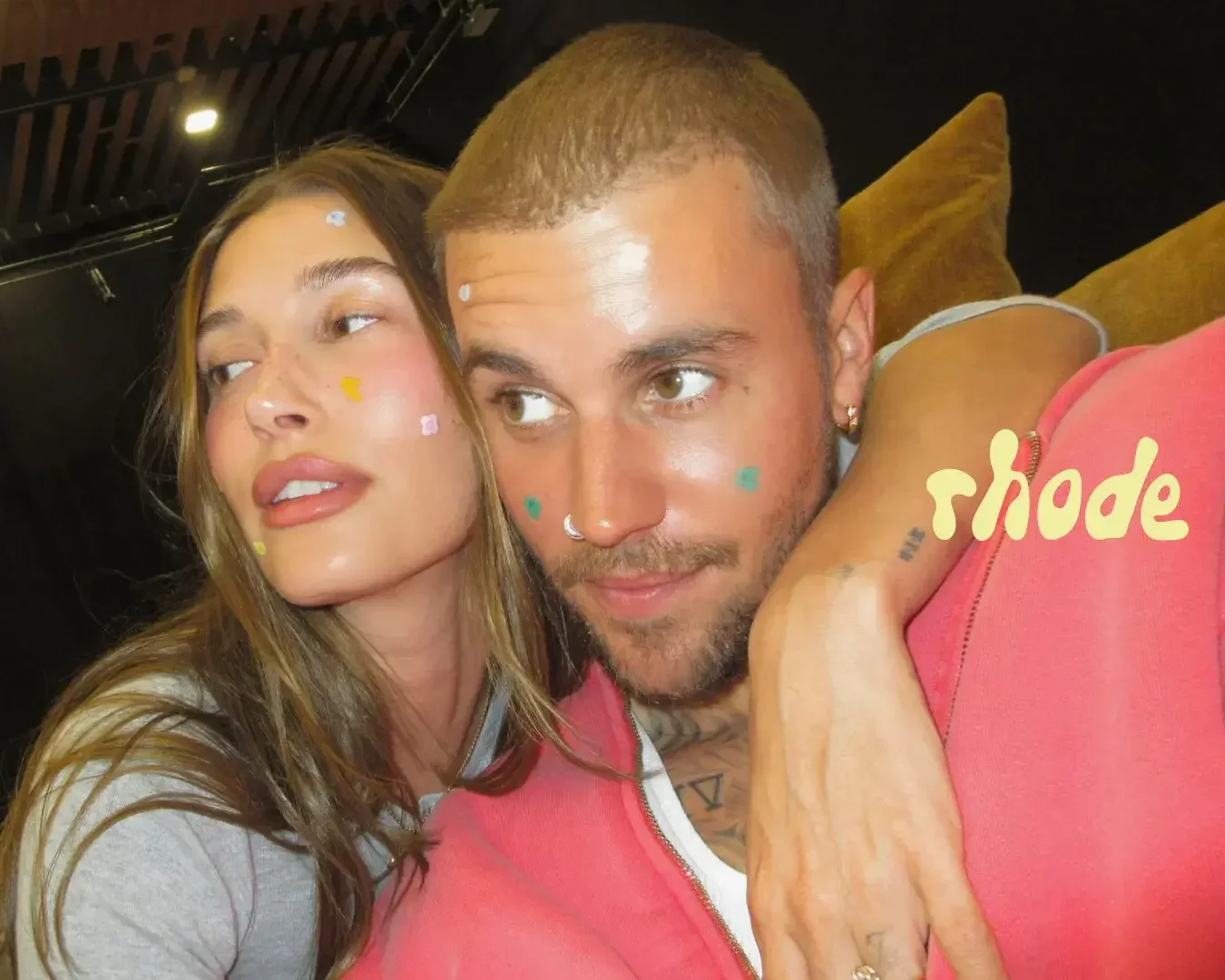
Look at Rhode dropping its Bieber collab while he was headlining Coachella. The timing wasthe point. The brand slid into a conversation that was already happening. Now think about what that moment looks like in video: backstage details, the product in real settings, the energy of the day. That's B-roll, and it's what turns a product drop into a cultural moment.Or look at Erewhon x Barbie, where the in-store experience was instantly shareable and visually iconic. Capture the queues, the smoothies, the pink-everything details and thereactions, and you've got a campaign's worth of content from one day.
Good B-roll for collaborations should:
• Capture the process, not just the finished product. Behind-the-scenes footage builds
trust.
• Show both brands' fingerprints. If one partner disappears from the footage, the collab
loses its power.
• Be planned before launch day. The best moments happen once. Have someone there to film them.
3. Staff video: the authenticity most brands overlook
This is the one I'd push any business to take seriously, especially smaller brands. Your team is your most believable marketing asset.
When a collaboration launches, the people who built it, packed it, served it or sold it have the real story. Staff video gives you:
• Credibility. Audiences trust people over polished brand voices.
• Personality. Your team carries your culture. It shows up in how they talk about the work.
• Internal buy-in. When staff are part of the story, they share it, and your reach grows
without spending a penny.Think about e.l.f. x Liquid Death. It works because of shared attitude. The tone is the whole thing. The people behind a brand like that are part of the joke, and putting them on camera extends that personality far beyond the product.
What this means for smaller brands and local businesses
You don't need a Coachella budget. The principle scales down perfectly. A local gym partnering with a nutrition brand. A café teaming up with a nearby clothing label. A clinic collaborating with a wellbeing expert. The same rules apply: start with audience overlap, look for shared values, time it intentionally, and let both brands show up fully.
A simple version of the playbook:
1 Interview the people behind both brands, and a handful of customers, about why the partnership makes sense.
2 Film B-roll of the launch, the product and the behind-the-scenes moments.
3 Feature your staff talking about what they're proud of.
4 Cut it into short-form content for Reels, TikTok and LinkedIn, so one shoot feeds weeks of posting.
The mistake I see most often
Brands choose partners based on follower counts or what's trending, then try to bolt content on afterwards. It shows. The audience can tell when a collaboration was decided in a boardroom and explained later.
Start with the people. Who is this for? What do they care about? Ask them, film the answers, and build from there.
